
Lead Follow-Up
Missed Call Text Back for Contractors: How to Keep New Inquiries Moving

A missed-call text back is an automatic acknowledgment that hands the inquiry to a real person on your team. Here's how to keep new inquiries moving without pretending a text is a dispatcher.
Introduction
A missed-call text back is an automatic text your business sends to a caller the moment a call goes unanswered, and for a healthy-home company it works best as a quick acknowledgment that hands the inquiry to a real person on your team. It is not a dispatcher. It is not a receptionist. It's a polite "we got your call" that keeps the lead from drifting off while you're elbow-deep in a crawlspace.
That's the whole idea, and honestly, it's enough.
This guide walks through how it works for owner-operated mold, waterproofing, restoration, water treatment, indoor air quality, radon and pest control shops. We'll cover what the first text should say, who owns the reply, how business hours and opt-outs fit in, and how to test the thing before a real customer ever sees it. Examples lean toward Greer and the Upstate of South Carolina, but nothing here is picky about geography.
Why Do Missed Calls Cost Healthy-Home Companies Jobs?
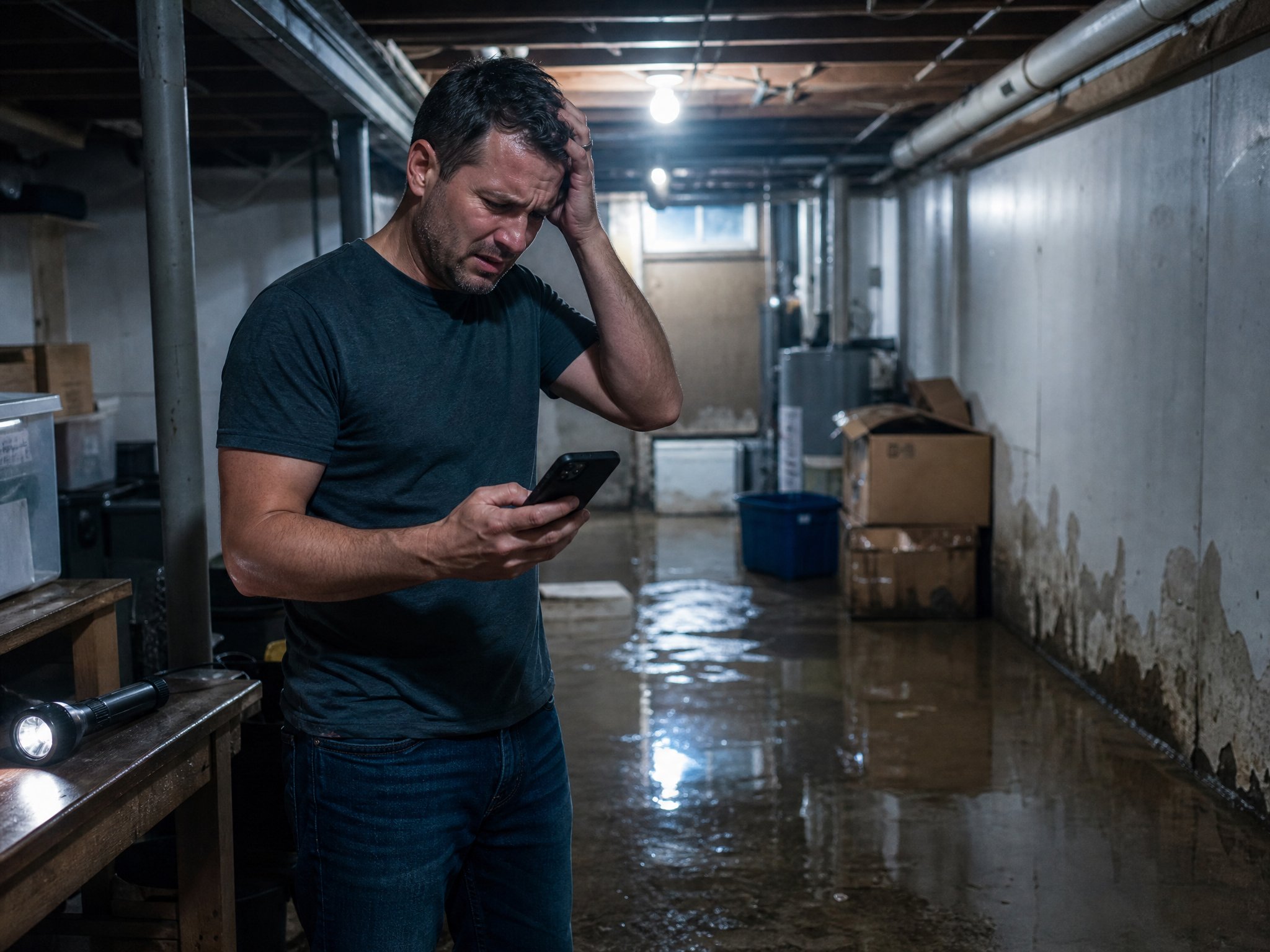
Because the person calling usually has a problem right now. A damp smell in the basement. Droppings in the attic. A water test result that scared them. They aren't browsing, they're shopping with a phone in their hand.
Field Work Blocks Phones
Picture a two-truck mold remediation outfit in Greer. The owner is in a containment zone wearing a respirator, the lead tech is hauling out wet drywall, and the office is, well, the owner's spouse on a Tuesday afternoon doing the books. Nobody picks up. Nobody can.
That's not a staffing failure. It's the job. Third-party analysts who write about contractor phones keep making the same point, that people on ladders and running equipment can't answer, and one contractor-focused breakdown puts it bluntly. I agree with the diagnosis, even if I'd treat the dollar figures floating around the internet with some skepticism. Your average ticket in water damage restoration is not the same as a radon test.
Voicemail Loses Callers
Plenty of marketing sites claim that 80 to 90 percent of callers hang up instead of leaving a voicemail. Those numbers come from vendors, not a neutral study, so I wouldn't tattoo them on your arm. But your own experience probably backs up the direction. When's the last time you left a voicemail for a company you'd never used?
Voicemail adds friction and delay. A text lands in their hand in seconds, and it tells them they reached the right place.
Competitors Are One Search Away
The caller who doesn't hear back scrolls to the next result. In the Upstate, that might be a company in Greenville or Spartanburg with a decent Google listing and a free afternoon. Good local SEO helps you show up with the right services and areas, but it guarantees nothing about rankings or lead volume. What it does is give people a reason to call. Your job after that is not losing them.
How Does Missed Call Text Back Work?
A call comes to your business number. Nobody answers, or the line is busy, or it's after hours. The system sends a text you've already written to the caller, and the inquiry lands in your CRM where somebody on your team can see it, add notes, and follow up. That's the loop. Missed Call Text Back is built around exactly that, and it's one of the connected tools Digital Growth Systems offers.
Acknowledgment Versus Human Response
Here's the distinction that matters most, and the one vendors love to blur. The text is an acknowledgment. It confirms the call came through. The response is a human on your team picking up the thread, calling back or texting with real answers.
Don't let anyone sell you instant human replies. Nobody can promise that, including us. The text buys you goodwill and a window of time. The person fills it.
Routing and Eligibility
Not every call deserves the same handling. A call from a number that already texted you opted out last month shouldn't get a surprise message. A call from a landline can't receive a text at all. A repeat customer might route to a different person than a brand-new inquiry.
So the system works with what it can see: the number, the time, and the rules you set. Inquiries go into the CRM with stages, notes, tasks and an assigned owner. Connected channels are supported, but I'd steer clear of anybody promising it plugs into every tool under the sun. It doesn't. Ask at the demo what connects to what.
What It Cannot Promise
It can't dispatch a truck. It can't guarantee a person responds in five minutes at 2 a.m. It can't promise leads, rankings, or review stars, and it isn't unlimited custom agency labor either. If someone's basement is flooding, that caller needs to be told to call your emergency line or the right local service, not wait on a text. Say that plainly in your messaging if you offer emergency work.
What Should the First Text Say?
Short. Human. Honest about timing. It should say who you are, that you saw the call, when someone will respond, and invite them to share what they need. That's it.
Most of the compliance and deliverability trouble comes from the other direction, from texts that are too clever. Include your business name. Include opt-out language like "Reply STOP to opt out." Business texting also generally requires carrier registration (A2P 10DLC), because carriers filter unregistered traffic. Skip that step and your lovely message may never arrive. Not legal advice, just the reality of how carriers behave, so confirm your terms before activation.
Here are three hypothetical templates to adapt.
Mold Remediation or Crawlspace Template
"Hi, this is Upstate Crawlspace & Air. Sorry we missed your call. We're likely on a job site. Reply with your name and what you're seeing (moisture, odor, standing water) and a team member will get back to you today during business hours. Reply STOP to opt out."
Note what it doesn't do. It doesn't diagnose, quote, or promise a visit.
Radon or Pest Control Template
"Thanks for calling Greer Radon & Pest. We missed you and want to help. Tell us your zip code and whether you need testing, mitigation, or pest service, and we'll call back by end of day tomorrow. Reply STOP to opt out."
Asking for a zip code up front is practical, since it tells you fast whether the job is in your service area. In a way, the zip code is the job. A call from outside it can get a polite, quick answer instead of a wasted callback.
After-Hours Template
"You've reached Blue Ridge Water Solutions outside business hours. We got your message and will reply when we open at 8 a.m. This text is not emergency dispatch. If water is actively entering your home, shut off the supply if you can and call a local emergency plumber. Reply STOP to opt out."
Hypothetical names, obviously. Write your own.
Who Owns the Reply Once the Text Goes Out?
Here's where most setups quietly fall apart. The text goes out, everybody sees it, and everyone assumes someone else has it.
Assign One Owner
One inquiry, one name. In the CRM and unified inbox, that means every new conversation gets an owner, a stage and a next task. Two people "keeping an eye on it" is zero people.
Set Realistic Callback Windows
Promise what your team can actually do. If your crew finishes at 4 and the owner calls back at 5, say "later today." If you can't return calls on Saturdays, don't hint that you will. A callback window you miss is worse than no text at all, because you broke a promise in writing.
Set Business Hours Rules
Set your business hours inside the system, lunch breaks included, so the message at 12:15 p.m. doesn't claim someone's about to call. Weekday, weekend and after-hours versions should each say something true. Your business phone setup, including forwarding and number handling, gets reviewed at the demo, and calling, texting and AI usage terms are confirmed before anything goes live.
Choose Simple Text Back Over a Robotic Sales Funnel
Some third-party reviewers argue that a single "sorry we missed you" text is barely better than voicemail unless it leads to a conversation, and they push multi-turn AI that qualifies and books jobs. They have a point about the conversation. I'm less sold on the machinery.
For most owner-operated shops, a bot that quotes, schedules and interrogates the caller is overkill, and for complex jobs it's risky. A mold assessment or waterproofing estimate isn't something automation should price. Keep the first text plain, then let a person talk to a person. Reviewers also note these tools suit residential service better than complicated commercial bidding, which tracks with my gut.
Where Does Text Back Fit in the Seven-Tool System?
It's one piece of seven connected tools: the functional website, missed call text back, the all-in-one inbox, automated lead follow-up, local SEO, the review funnel, and one-click customer campaigns. Together they run $297 a month. Custom SEO campaigns and ad management are separate, and printing is quoted on its own.
Think of the text as the front door. The website brings people in, the text catches the ones you missed, the inbox holds the conversation, follow-up handles estimate reminders, and reviews and campaigns come later. Alone, any one piece helps a little. Connected, they stop inquiries from falling between spreadsheets and sticky notes. Pricing details live on the pricing page.
How Do You Respect Messaging Preferences and Opt-Outs?
Treat "STOP" as final. Under the Telephone Consumer Protection Act, automated texting has consent and opt-out requirements, and the FCC's TCPA guidance is a reasonable place to start reading. Sequences should halt on reply or opt-out where configured, and your team should never override that by hand because "it's just one follow-up."
Also consider preference. Some people want a call, some want texts only. Note it in the CRM. A homeowner who says "text me, I'm at work" shouldn't get three voicemails.
How Should You Test Your Text Back Before Going Live?
Test like a skeptic. Call your own business number from a personal cell and let it ring out. Did the text arrive, and how fast? Does the business name look right? Did the inquiry show up in the CRM with an owner? Then call during lunch, after hours, and from a second phone, and reply STOP once to see whether it actually stops.
Have someone on the team read each template cold. If they hesitate, rewrite it. Then book a demo, where phone setup and usage details are reviewed before activation.
What Other Questions Do Owners Ask Before Setting This Up?
Usually the same handful. Can I keep my current number? How does call forwarding work with my phone system? What happens with a landline? Who handles registration? Can the text mention my services without sounding spammy? How much customizing is included? Those are demo questions, and they should be answered with specifics, not hand-waving.
Conclusion
Missed-call text back won't answer your phone or run your schedule. What it does is smaller and more useful: it tells a worried homeowner you heard them, puts their inquiry in front of your team, and gives a real person time to follow up. Keep the message plain, assign an owner, honor every opt-out, and test before launch.
Ready to see how it fits with your website, CRM and follow-up? Book a demo and we'll walk through the phone setup and usage terms together.
Want these workflows set up for your business?
The Digital Growth System includes missed-call text-back, estimate follow-up, and honest review requests, one plan, $297/month.
Keep reading
Lead Follow-Up
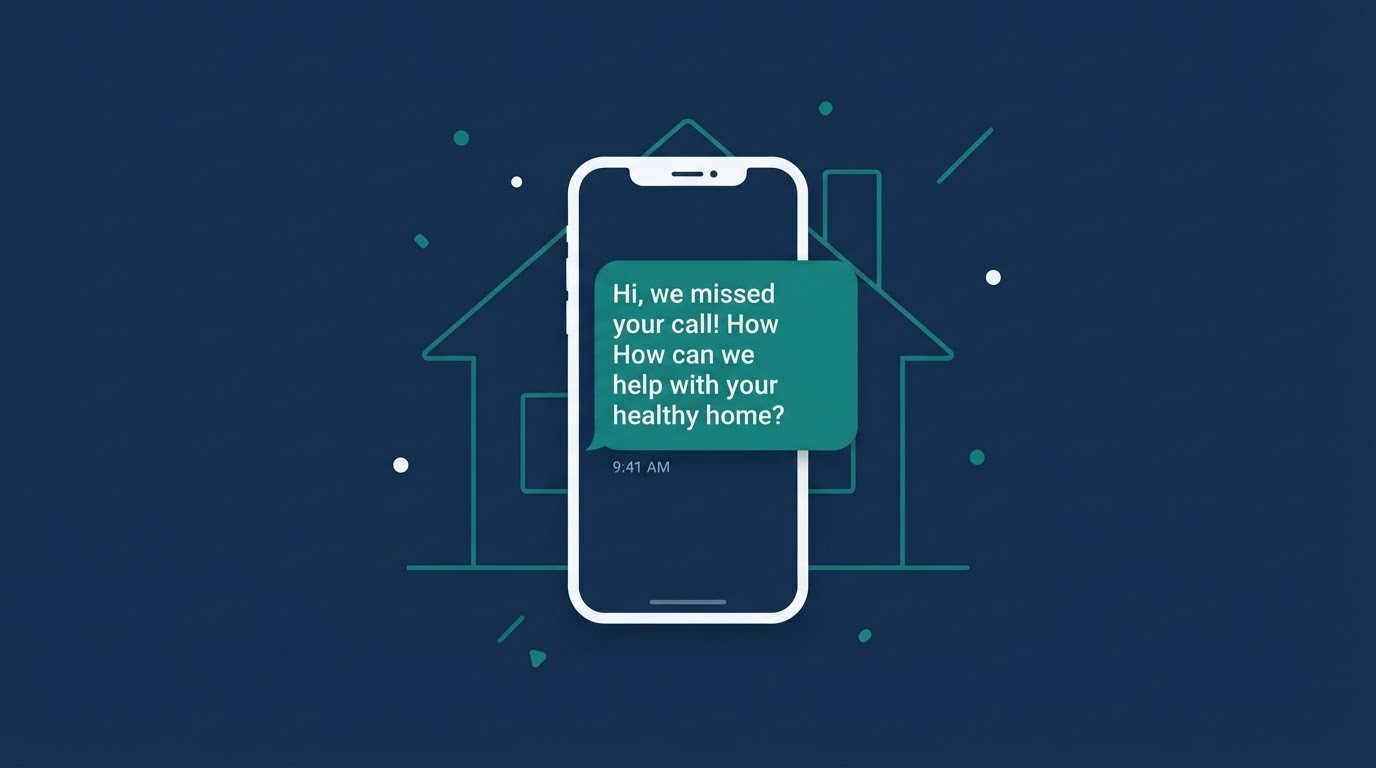
Missed-call follow-up basics
Most healthy-home service companies miss calls every day, not because they're disorganized, but because they're on a job. Here's how to think about follow-up so those calls don't disappear.
Lead Follow-Up
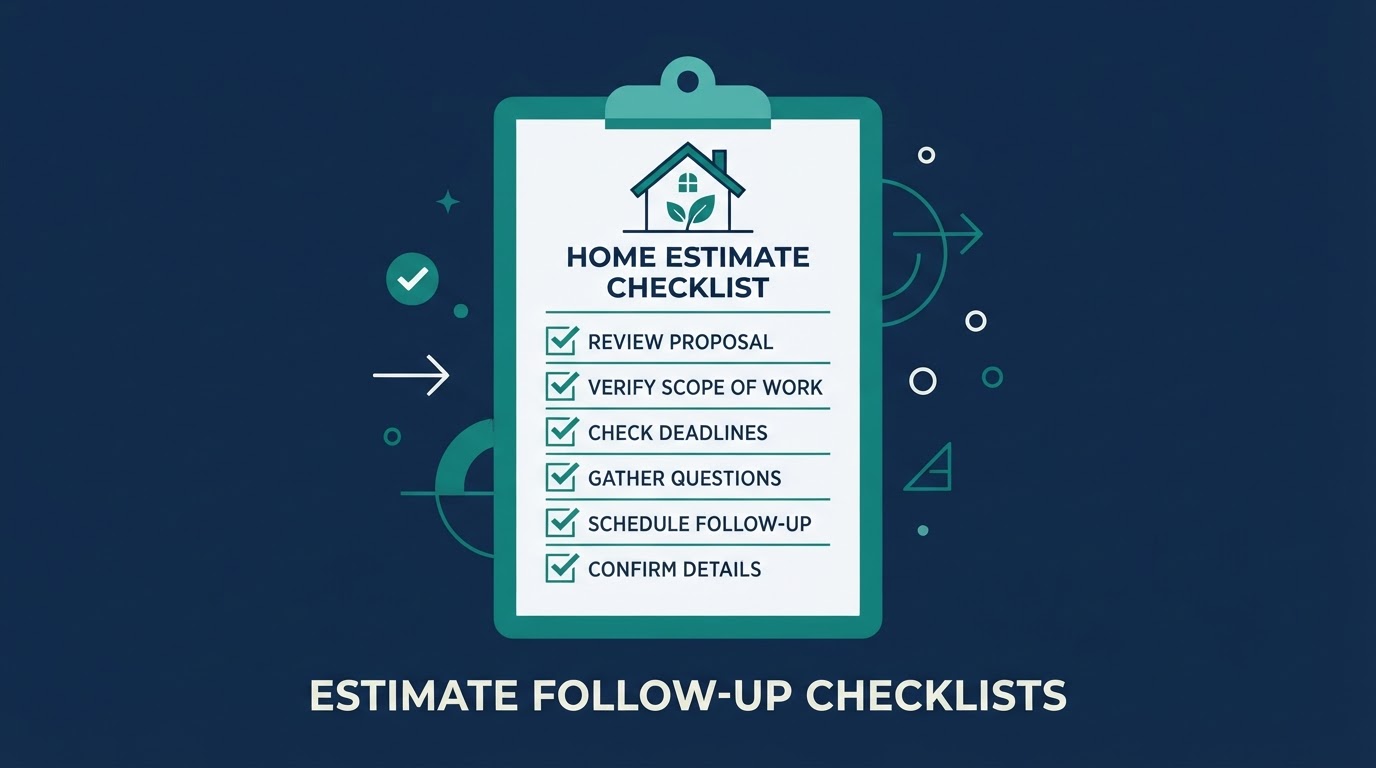
Estimate follow-up checklist
Healthy-home estimates (waterproofing, water treatment, air quality) often involve long consideration windows. A simple follow-up checklist keeps proposals from going cold.