
Healthy Home Business Growth
Customer Reactivation Campaigns for Home Service Companies

Reconnect with past home service customers through relevant segments, useful messages, respectful follow-up, and organized booking records. Here's how to run reactivation without guesswork or an expensive retainer.
Introduction
Most owners think the phone has to ring with a stranger on the other end. A past customer works just as well, and usually costs less to reach. Customer reactivation campaigns are short, targeted messages sent to people who already hired you (or asked for an estimate) and went quiet. They work best for healthy-home trades like mold remediation, water damage restoration, crawlspace work, water treatment, radon, indoor air quality, and pest control, where one job often leads to a second need.
Digital Growth Systems (DGS) is a marketing technology, website, CRM, and automation company based in Greer, South Carolina. We build the connected plumbing behind this kind of outreach: inquiries captured, follow-up organized, records kept in one place. We don't do the remediation, the water treatment, or the pest work. That's your side of the truck. What follows is how to run reactivation without a pile of guesswork or an expensive retainer.
Why Do Customer Reactivation Campaigns Pay Off for Home Service Companies?
Because the hard part is already done. The customer found you, trusted you enough to open the door, and left behind a name, address, phone number, and service history. That history is sitting in your CRM (or, let's be honest, a spreadsheet and a few sticky notes) doing nothing.
Lower Cost Than Cold Leads
Paid clicks get pricey. Published home service benchmarks put the cost per lead around $90.92 on average, and roofing or gutters can climb past $228. Compare that to sending a text to someone who already has your number saved. Many analysts repeat the line that winning a customer costs five to seven times more than keeping one, and Bain's long-cited research suggests that small retention gains can swing profit by a lot.
Take those numbers as direction, not destiny. The cost of reactivation isn't zero, since your time and attention count. But the contact details and permission paths already exist, and ready-made templates keep you away from the agency-labor trap.
Trust Already Exists
A homeowner who had you out to the house in Taylors or Travelers Rest last spring knows your name. That's worth something. It also means a clumsy hard sell burns more than it earns, because you're spending goodwill, not building it from scratch.
Why do people drift away in the first place? Often it's not anger. CallJolt's retention benchmarks for home services put the industry average for second-job retention near 38%, with top contractors landing in the 65% to 75% range. That gap looks a lot like follow-up discipline to me, not luck.
Benchmarks Are Not Promises
You'll see claims that reactivation converts 20% to 40% of lapsed contacts, or returns 32X. Maybe somebody got that. I wouldn't build a budget on it, and neither should you. Your list, your trade, your pricing, and your region all change the math.
Same goes for the "AI campaign" pitch that comes with an $800 to $1,500 monthly retainer. You already own the old leads. Start with a basic text and email sequence, see who books, then decide whether anything fancier is warranted. DGS tools don't guarantee leads, rankings, or specific results either. Any figure in this piece is context, not a forecast.
Which Past Customers Should You Contact First?
Not everyone. Pick the people most likely to say yes, and start small enough that you can actually handle the replies.
Lapsed Maintenance Clients
Anyone who had a recurring visit that stopped is your warmest group. They've already paid for the value once. A simple "it's been a while, want us to get you back on the schedule?" is often all it takes. One service-industry dataset is a reminder that plan-style relationships keep customers coming back more reliably, so a lapsed one deserves a nudge before anything else.
Unconverted Estimates
These are people who raised their hand and then got busy. Maybe the quote sat in their inbox next to forty other things. Harvard Business Review's piece on the short life of online sales leads makes the point that speed and repeated touches matter, and Customer Flows reports a median first response of 42 minutes among home service businesses. So the estimate that went cold last month probably never got a second nudge. A polite reminder sequence, set up through automated lead follow up, fixes that without anyone remembering to do it.
Seasonal and One-Time Jobs
Someone who had a crawlspace looked at after a wet winter, or a one-time pest treatment before summer, may well need you again. Time the message to the season or the trigger that sent them to you originally. Ready-to-customize seasonal and reactivation templates in One-Click Marketing Campaigns save you from writing each one from a blank page.
How Do You Segment a Customer List Before Sending Anything?
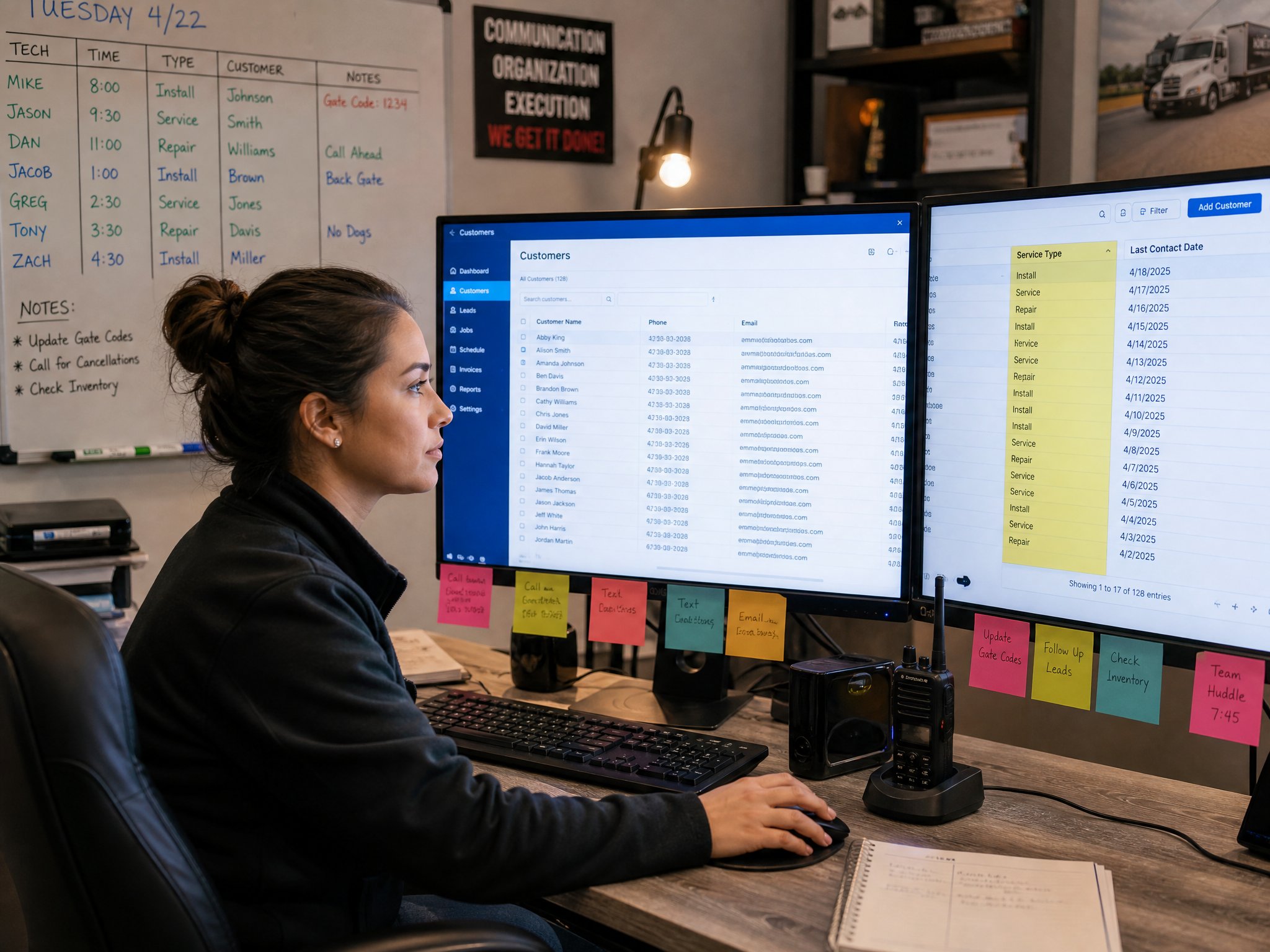
Sending one message to everybody is how you get opt-outs and eye-rolls. A little sorting first changes the whole result. Three fields do most of the work:
The service they actually received
How long since you last spoke
How they prefer to hear from you
Service Type
A water treatment customer and a mold remediation customer have nothing in common as far as timing goes. One may care about system check-ins; the other may only have needed you once. Tag by service so each message speaks to that job. Please don't invent service intervals. Use the schedule you already tell your own customers, or leave timing out.
Last Contact Date
Someone you served three weeks ago needs a different tone than someone you haven't talked to in two years. Use stages, notes, and tasks in your all-in-one inbox and CRM so two team members don't text the same homeowner on the same day. It happens more often than anybody admits.
Contact Preferences
If a customer always answers texts and never calls back, believe them. Respect it. Set sequences to stop when someone replies or opts out, where configured. Calling, texting, and email rules vary, and we confirm those terms before activation, so check what applies to your business with your own counsel. That's workflow advice, not legal advice.
What Should a Reactivation Message Say?
Less than you think.
Keep It Short
Two or three sentences. Nobody is reading a paragraph on a phone screen between a school pickup and dinner. Name the past service, say hello like a person, stop talking.
Make It Relevant
"Hi Dana, it's Mike at [Company] in Greer. We installed your filtration system last year and wanted to check in." That reads as a neighbor. "Dear valued customer, we have exciting offers" reads as junk. Pull the service and approximate timing from your CRM so personalization happens at scale.
Skip health claims entirely. A marketing text shouldn't imply that your service fixes anyone's health. Describe the work, not the outcomes.
Add One Clear Next Step
Reply YES, tap to book, or pick a callback time. Pick one. Make sure the booking link feeds into a functional website and form that lands in your CRM, so the inquiry doesn't vanish into somebody's personal phone.
Where Do Water Filtration and Pest Control Examples Fit?
Use them as templates for thinking, not scripts to copy. Everything in the first two sections below is hypothetical.
Filter Service Check-In (Hypothetical)
Imagine a Greer water treatment company texting customers from last year's installs: "Hi Dana, it's Mike. Wanted to check in on your filtration system and see if you'd like us to schedule a service visit. Reply here or book online." That's it. No scare tactics, no promised result. Replies get tracked in the CRM and someone on the team follows up.
Seasonal Pest Check-In (Hypothetical)
A pest control company in the Upstate might send a brief note ahead of the warm months to customers who had service before: "Spring is around the corner. Want us to stop by for a quick check?" A segment of past pest customers, one short message, one next step. If you want to offer something for early booking, make it a real offer you can honor.
Referral Ask After a Good Visit
Happy customers are the best moment to ask. After a visit that went well, include a simple referral request in your follow-up. Housecall Pro's home service report found that reputation and fast response matter heavily to homeowners, which is exactly why honest reviews help. Request them through a review funnel from appropriate customers, with no incentives and no gating. Record referrals in the CRM so you know where work came from.
Start With a Simple Text and Email Sequence
Here's a starter cadence. One short text on day one. An email a few days later that references the service history. A call for anyone who replies with interest. That's the whole thing.
Don't overbuild it. Run it on one segment, say lapsed maintenance clients, and watch what happens before widening the circle. If a plain sequence brings in booked work, automate more of it. If it doesn't, no agency polish will rescue a bad list or a muddy message. A one-page offer and a clean subject line beat a twelve-step flow nobody can maintain.
Track Replies, Bookings, and Opt-Outs
Three numbers matter. Who replied. Who booked. Who said stop.
Honor opt-outs immediately. Log replies and bookings with stages, notes, and tasks, and assign each conversation to a named person. Missed-call text back is useful here too: if a past customer calls while you're under a house, a configured acknowledgment goes out and your team follows up. It isn't emergency dispatch, and it isn't a promise of an instant human answer. Treat it as a courteous holding message and nothing more.
What you track | Why it matters |
|---|---|
Replies | Shows whether the message felt relevant |
Bookings | The only number that pays the bills |
Opt-outs | Tells you when you're pushing too hard |
Review it monthly. Adjust the message, not the whole strategy.
What Questions Should You Ask Before Hiring Help or Adding Automation?
Ask plainly. Which channels do you support? How do you handle opt-outs and contact preferences? What templates come with it, and what's custom? Who owns each task inside the CRM? And where does scope end, since ongoing custom SEO campaigns and advertising management are separate from the core tools?
On our side, seven connected tools come together at $297 a month (details on the pricing page). Printing is quoted separately, and business phone setup and usage are reviewed at the demo. Calling, texting, email, and AI terms get confirmed before activation. Ask any vendor the same questions and be wary of anyone who dodges them.
Conclusion
Reactivation isn't glamorous. It's a short list, a short message, one clear next step, and honest tracking. Do that with segmented contacts, honor preferences, and you've built a repeatable habit instead of a one-time blast.
If you'd like to see how this runs inside connected tools for a business like yours, book a demo and we'll walk through the templates, the CRM, and the sequences together.
Want these workflows set up for your business?
The Digital Growth System includes missed-call text-back, estimate follow-up, and honest review requests, one plan, $297/month.
Keep reading
Lead Follow-Up
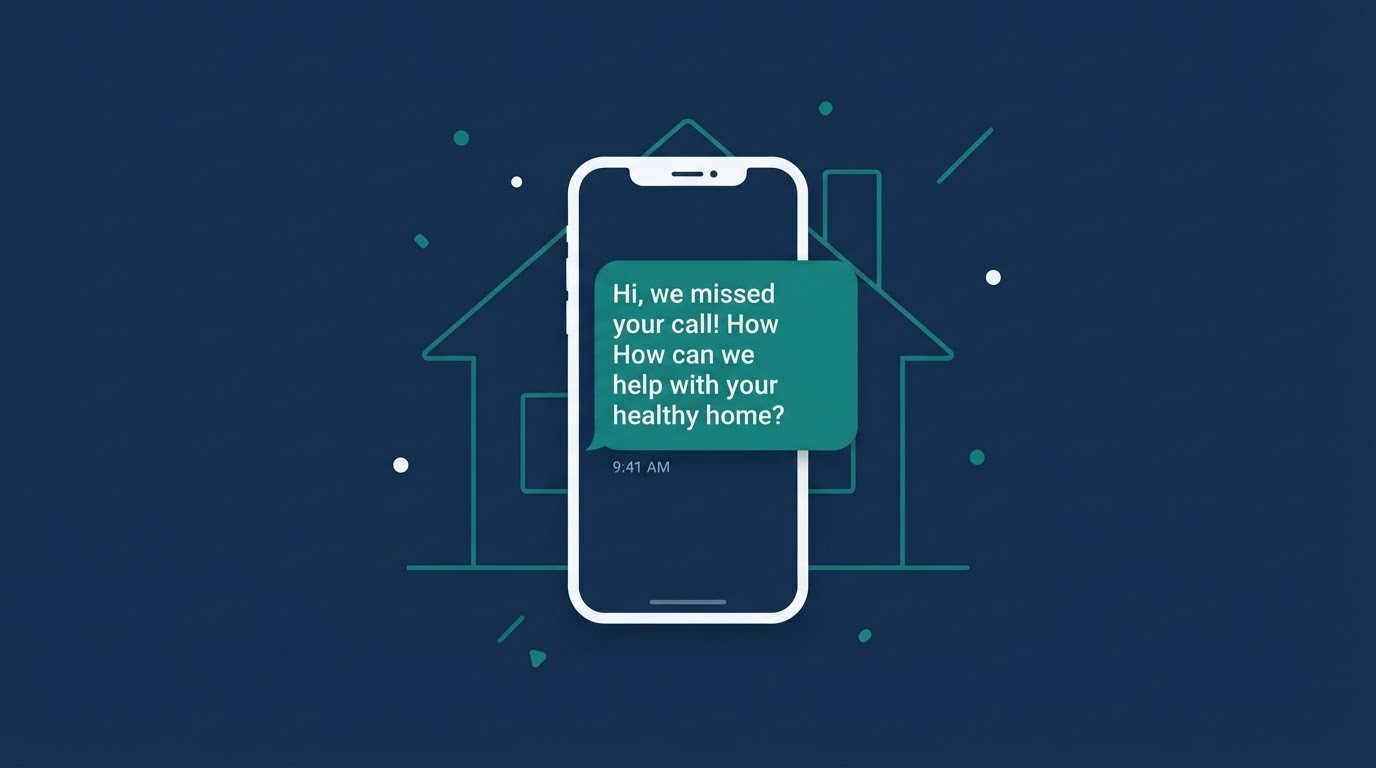
Missed-call follow-up basics
Most healthy-home service companies miss calls every day, not because they're disorganized, but because they're on a job. Here's how to think about follow-up so those calls don't disappear.
Lead Follow-Up
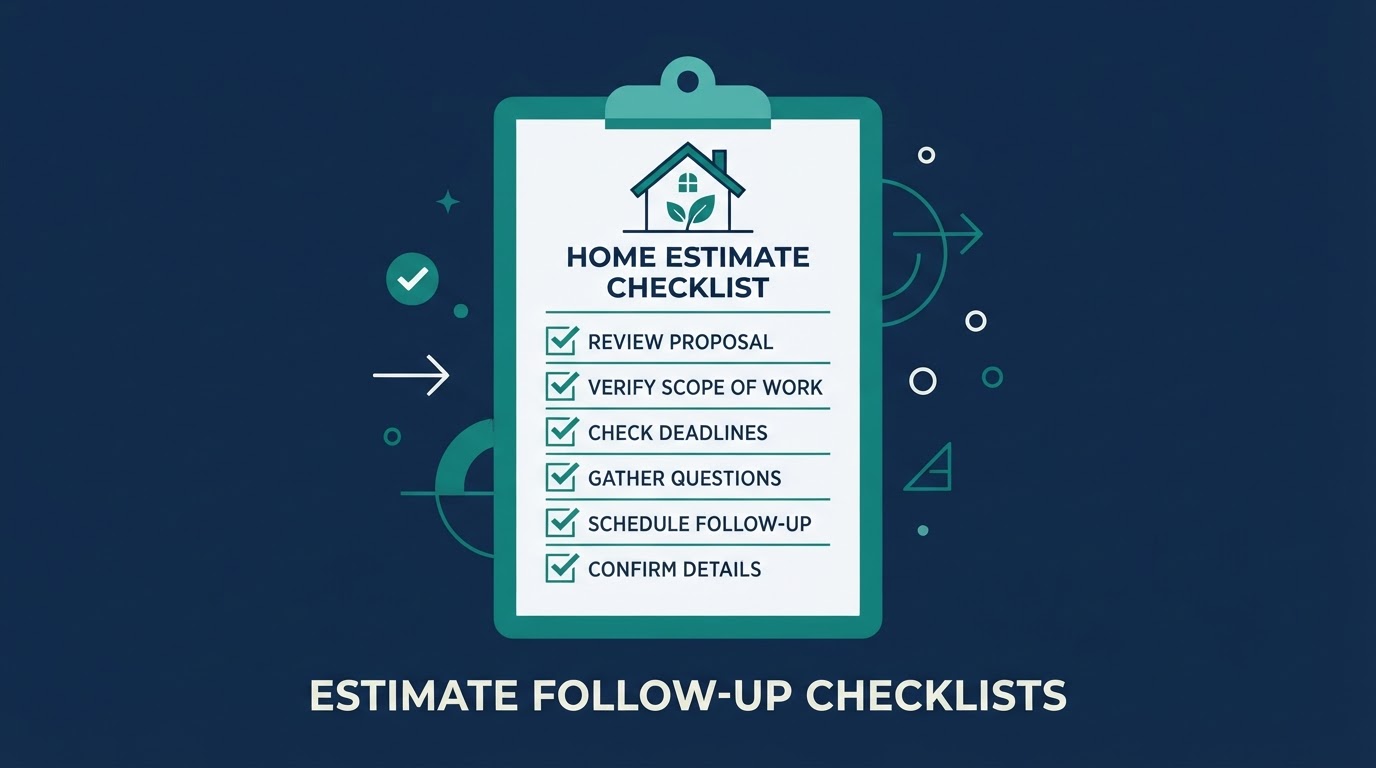
Estimate follow-up checklist
Healthy-home estimates (waterproofing, water treatment, air quality) often involve long consideration windows. A simple follow-up checklist keeps proposals from going cold.